
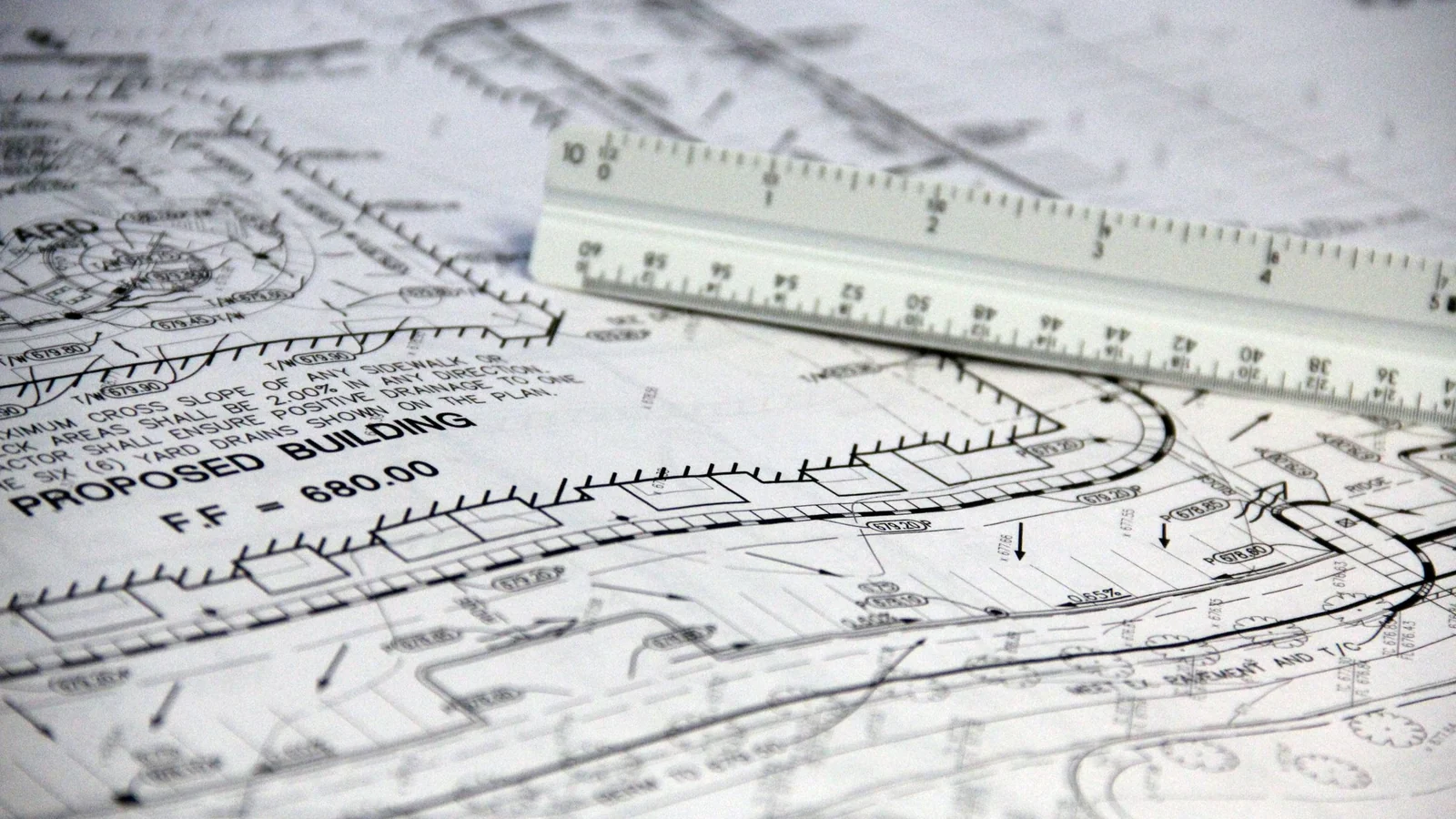
An owner who wants to combine two adjacent units or divide a Dubai plot has two decisions to clear. The planning authority needs to establish what the proposed layout can be, and Dubai Land Department (DLD) needs to record the resulting property description. The DLD service for subdivision and amalgamation applies to registered units and plots and starts with maps showing the proposed change from the relevant planning authority. [1]
Work backward from the outcome you need. A buyer planning to finance and resell two independent units needs to know whether two independent titles can be issued. An owner seeking to occupy two adjacent apartments as one space needs the building approvals for any physical work and must decide whether the titles themselves should be combined. Before committing to a structure, use the Dubai title deed verification guide to reconcile the existing title references, ownership names and registered property details.
Identify the change before commissioning drawings
Write down each current property number and the number of resulting properties you expect to hold. Record the proposed area, boundary and access for each result. For a plot, ask the relevant authority how it will assess your proposed cadastral boundaries and access. For a unit, ask which drawing shows the unit boundary and whether the proposed change touches shared parts, utility services or access corridors. The authority can confirm its own submission requirements for the particular property. [1][2]
| Proposed change | First question to resolve | Evidence to ask for |
|---|---|---|
| Split a registered plot into two | Which planning authority can approve the new boundaries and access? | Approved post-change map with both proposed plots identifiable |
| Combine two registered plots | Can the proposed single parcel be recorded with the intended boundaries and ownership? | Approved unified parcel map tied to the old references |
| Split or combine registered units | Which parts are private and what does the project plan show? | Approved revised unit drawings and a schedule of old and proposed units |
| Change units in a developer's project file | Is the application being made against registered individual titles or project data? | Developer's confirmation of the filing route and appointed surveyor |
| Change the layout while retaining the same titles | Which approvals apply to the work and will the registered boundary change? | Written approval route for the works and any registry follow-up |
DLD has a separate service for registering or amending developer project data, including additions, removals, joins and separations of units. It describes a developer submission through the appointed survey company. DLD also has a project subdivision route for registered developers dividing a major development into phases. Ask DLD or the developer to identify the route when the terminology on the drawings could describe both a project change and a change involving existing titles. [1][3][4]
Trace what happens to common parts
Dubai's jointly owned real property law makes the registered site plan important to the boundary of each unit. Under Article 17, converting common parts to private property, subdividing them or disposing of them independently of the units requires prior approval from DLD and the competent authority. A corridor door being next to your apartment, for example, does not establish that the area behind it belongs to your unit. Record the status of corridors, structural features, service risers, parking and storage on the existing documentation and confirm how each is treated in the revised plan. [2]
Ask building management which access and approvals it requires for any physical work. Your engineer can help identify whether the layout changes circulation or utilities serving another unit. A registry filing and a works approval answer different questions. Include the design, authority approvals and any reinstatement obligations in the project budget. If the change affects the registered area used for building charges, ask management for a written explanation of the billing treatment. The Dubai service charges guide explains which records to compare when checking the result. [1][2]
Match the planning map to the registry file
Collect the current title and available maps before asking the planning authority for the revised map. Give your surveyor or adviser the current identifiers and expected outcome in the same schedule. For a split, show which new unit or parcel gets each boundary and right of access. For a merger, show what happens to the previous internal boundary. Ask the adviser to reconcile the areas against the map and explain any discrepancy before the DLD application. [1]
If a bank has security over either property, ask it to confirm in writing what it will accept and what documentary steps it needs. Describe the old collateral and the expected titles. Where the two units have different lenders, or where only one is financed, put the question to every bank involved before agreeing to a completion date. The Dubai completed-home mortgage registration guide explains the separate DLD routes for registering, changing and releasing mortgage security.
Use the same approach to other complications. If there are multiple owners, confirm who must sign and whether DLD can implement the proposed title structure with their current ownership interests. If one unit is occupied under a lease or a sale contract is already in progress, reconcile the address, unit number, possession date and rights described in the agreement before proceeding. Record any written confirmations with the map papers.
Choose a channel and ask for an itemised quote
The DLD service card lists digital access through DLD and Dubai REST, service through real estate services registrar centres, and Oqood access for developers. The card gives a processing time of four hours for the DLD service. Build your schedule around the planning map, any third-party approvals and any linked bank or completion steps as well. [1]
For the digital channel, the service card lists AED 500 for the application and AED 250 for title deed issuance. It lists AED 100 for a plot map outside Dubai Municipality jurisdiction, or AED 225 for a unified map with the municipality where applicable, plus AED 10 each for knowledge and innovation per drawing. On the trustee route the card lists the AED 500 service line, the two per-drawing lines, and an AED 80 service-partner charge plus VAT on that partner charge. Ask the selected channel to confirm the applicable lines and the number of title deeds and drawings to be issued. [1]
Worked example: combining neighbouring plots
Assume two neighbouring registered plots are held by the same owner. The relevant authority has approved a revised map identifying one resulting parcel. Assume DLD confirms a digital application, one title deed, one applicable unified map with Dubai Municipality and one drawing to which the two per-drawing charges apply. The illustration is AED 500 + AED 250 + AED 225 + AED 10 + AED 10, or AED 995. Survey work, planning approvals and any linked bank work belong on separate lines. A subdivision with multiple drawings or different map requirements could produce a different amount. [1]
Before payment, the owner compares the old parcel references and the proposed merged outline with the planning map. After registration, the owner downloads the new title and map and checks that the title refers to the parcel shown on the map. If the owner plans to seek finance or sell, send the exact registered documents to the lender or adviser. The Dubai property valuation guide explains how to choose the valuation evidence for the intended purpose.
Frequently asked questions
Can I file a subdivision before the new plan is approved?
DLD lists maps after the proposed change from the relevant planning authority as a requirement. Ask the planning authority which map product the DLD filing needs. Keep the approved copy with the authority reference and preserve a copy of the pre-change plan. [1]
Will I always receive two title deeds when I divide a property?
Confirm with DLD the exact property and title outputs it can issue from the approved plans in your case. DLD lists an electronic title deed and map for the service. Owners intending separate sale or financing should establish the expected outputs and ownership structure before treating each proposed piece as an independent asset. [1]
Which figures should I compare after registration?
Compare the resulting title number, parcel or unit reference, registered area and owner details with the approved maps and filing records. Keep the payment receipt, the registry result and the superseded documents together. If a lender, management company or future buyer still uses the older identifiers, give them the updated documents and ask them to confirm their records reflect the change.
Official sources and editorial method
Sources checked on 14 November 2026. Numbered references support the official facts stated. CYUAE labels hypothetical examples and editorial analysis in the text. The image caption records the photograph’s context, source and licence.