
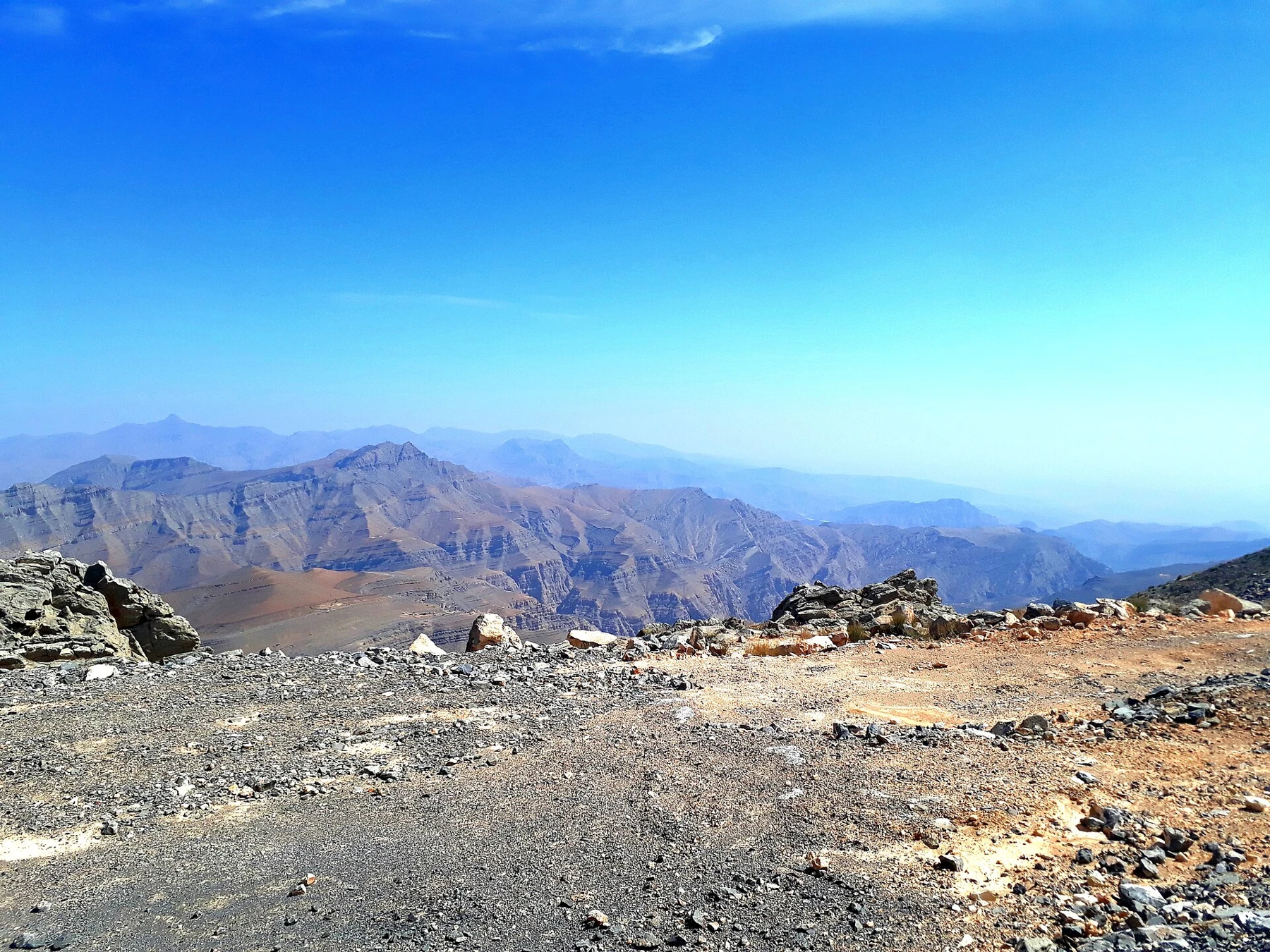
Ras Al Khaimah can support several very different kinds of visit. A coastal break, a heritage-focused day, a mountain activity and a city-based cultural itinerary ask different things of the visitor’s time, attention and physical readiness. The challenge is not finding enough attractions. It is choosing a coherent experience that the actual group can enjoy without treating the emirate as a list of distant stops to complete.
This guide explains how to construct that decision. It does not publish a live events calendar, guarantee journey times or recommend entering a site without confirming access. Official destination material provides the named places and programme starting points. The itinerary models, comparison methods and group-planning framework are original editorial recommendations. Confirm current availability and conditions before booking or travelling.
1. Choose the purpose before choosing the route
Ask what the visit is meant to deliver. A household may want rest and time together. International guests may want a better understanding of the emirate. Another group may want a specific outdoor activity. These purposes can overlap, but one should lead the planning.
Write the purpose in an ordinary sentence: “We want a relaxed coastal stay with one cultural visit,” or “We want to understand the relationship between settlement and landscape.” The sentence is useful because it provides a way to reject attractive additions that do not fit. An itinerary often becomes exhausting through individually reasonable choices accumulated without a governing priority. A clear purpose helps the organiser distinguish a valuable experience from an optional detour that consumes the time needed to appreciate the rest.
2. Divide the emirate into experience types
Use broad experience types rather than assuming one continuous urban attraction zone. Coast and resort settings, the city and its institutions, heritage landscapes and mountain activities involve different movements and requirements. A map can show their relationship, but it should not be treated as a promise that every combination is comfortable in one day.
The official destination provides starting points for places such as Al Marjan Island, the National Museum, Dhayah Fort, Al Jazirah Al Hamra and Suwaidi Pearls. [1][2][3][4][5] This guide does not repeat every attraction description. Instead, it uses the variety to encourage selection. The visitor’s task is to identify which forms of experience support the purpose and then check the actual programme, travel and access arrangements for those selected stops.
3. Match the plan to the group
List the participants’ interests, access needs, comfort with outdoor conditions, ability to walk and preferred pace. Include the organiser in that assessment. A plan that requires one person to manage every booking, drive between distant stops and keep everyone on time can reduce that person’s ability to participate meaningfully.
Discuss limits before the itinerary becomes a promise. Some people may want fewer activities than others. A group can accommodate those differences by choosing a shared core and genuinely optional additions, where practical. The key is to avoid presenting a demanding route as the only way to experience the emirate properly. A good visit is not measured by how closely it resembles a promotional montage. It is measured by whether the selected activities fit the people and deliver the intended experience.
4. Use time as a budget
A day contains more than the advertised duration of activities. It also contains travel, arrival, parking or transfers, waiting, meals, rest and the ordinary friction of moving a group. Build these components into the plan rather than assigning every available hour to a booked experience.
Do not use a single general driving estimate as the foundation for a tightly connected schedule. The actual route, conditions and starting point matter. Where an appointment is consequential, ask the operator about arrival requirements and plan an appropriate margin. Time buffers are not wasted time. They preserve the conditions for attention and reduce the pressure that can make a cultural visit feel like a delay before the next departure. A realistic itinerary protects the quality of the experience rather than maximising the number of entries on the page.
5. A coast-led visit
A coast-led plan can place rest and the chosen accommodation at the centre, with one carefully selected excursion. The official Al Marjan Island material provides a destination starting point, while the actual property or operator should confirm access, facilities and terms. [1] Do not assume that every beach or amenity shown in destination marketing is included with every booking.
Choose the excursion for contrast rather than volume. A museum or heritage visit can introduce a different dimension of the emirate without filling the entire stay with transfers. Keep some uncommitted time and consider the group’s likely energy. A relaxed visit is not incomplete because it omits the mountains or every historic site. Its coherence comes from understanding what the group wants and protecting that purpose from the pressure to turn a short stay into a comprehensive survey.
6. A city-and-museum visit
A city-led plan can use the National Museum as an anchor for learning, subject to current access and exhibitions. The official destination material offers the institutional starting point. [2] Build the rest of the day around a manageable route and time to discuss what the group has seen.
Before the museum, select one theme: trade, everyday life, materials or the history of the building. Afterwards, use a meal or quiet pause to compare observations. This turns the interval between activities into part of the learning rather than merely recovery from it. Avoid assuming that a museum visit must be long to be substantial. A smaller number of carefully read displays can support a more durable understanding than an exhaustive route completed while the group is watching the clock.
7. A heritage-landscape visit
A heritage-led route can compare a built settlement with a landscape or fortified position, but the pairing should have a clear question behind it. Official destination pages for Al Jazirah Al Hamra and Dhayah Fort provide starting points for the respective sites and current visitor considerations. [3][4]
Ask what the comparison is meant to reveal. One site may encourage attention to domestic space and building materials, while another makes the relationship between elevation and surrounding land more visible. These are analytical lenses, not a claim that both places belong to one period or have an identical history. Keep the distinctions intact. The stronger itinerary creates a conversation between forms of evidence without forcing them into a single simplified account of the past.
8. An operator-led cultural experience
An organised programme can help visitors encounter a subject that would otherwise be difficult to interpret independently. Suwaidi Pearls is one official destination starting point for a programme connecting pearling heritage with a contemporary visitor experience. [5] The exact inclusions, timing and requirements must come from the current operator confirmation.
Ask what the group will learn and what the format requires. A boat transfer, demonstration, meal or retail component should be understood through the selected package, not inferred from unrelated photographs. An operator-led activity can be an effective anchor because it gives the day a defined structure. It also makes careful booking important. Once one activity has fixed requirements, the rest of the itinerary should support it rather than compete with it for the same narrow margin of time.
9. A mountain-focused visit requires its own preparation
If the purpose is a mountain activity, treat it as the day’s principal commitment rather than an effortless addition to several other stops. Use the official destination and relevant operator for current route, access, equipment and participation requirements. This article does not reproduce CYUAE’s separate Jebel Jais hiking guide or provide a live safety assessment.
The planning principle is that physical effort changes the rest of the day. Participants may need more preparation, rest and flexibility than a city or resort visit requires. Do not schedule a demanding activity and then assume the group will retain the same attention for a long cultural programme afterwards. A separate day or a simpler combination may provide a better experience. The objective is informed enjoyment, not proving that every landscape category can be included in one ambitious outing.
10. Build a core and a fallback
Choose a shared core containing the elements most important to the purpose. Then prepare a realistic fallback if an activity is unavailable, conditions change or a participant is uncomfortable. The fallback should be a valid version of the visit, not a punishment for failing to complete the original plan.
For example, a heritage-focused group can still have a meaningful day if one outdoor component is replaced by a suitable institutional visit, subject to availability. A rest-focused household may simply preserve more time at its accommodation. The appropriate alternative depends on the original purpose. This is why purpose comes first: it gives the organiser a basis for adapting. Without it, every change feels like a loss because the itinerary has become a collection of promised attractions rather than a coherent experience.
11. Budget for the whole visit
Include accommodation where relevant, transport, activity charges, meals and other known costs. Obtain current quotations for selected services and distinguish confirmed amounts from estimates. Do not publish a total based on prices that were never verified for the actual date and group.
Identify the cancellation and change terms attached to bookings. A cheaper non-flexible arrangement can be appropriate for some plans but unsuitable where uncertainty is material. Compare options using the same assumptions. The financial aim is not necessarily the lowest total; it is a cost the group understands and can accept for the intended experience. A transparent budget also reduces friction between participants when optional activities or upgrades appear after the core plan has already been agreed.
12. A hypothetical two-household comparison
Consider two households planning the same weekend. The first has young children and wants a manageable coastal break. The second consists of adults interested in archaeology and architecture. A generic itinerary might offer both groups the same long list of stops, but that would ignore the different purpose and pace.
The first could choose accommodation and one suitable cultural component, leaving the remainder flexible. The second could organise a more focused heritage comparison with time for reading and discussion. Neither plan is a lesser version of the emirate. Each uses selection to make the experience more meaningful. The comparison illustrates why recommendations should begin with participants and purpose. An attraction can be excellent while still being the wrong addition to a particular group’s limited time.
13. Keep practical confirmations in one place
Create a small trip file containing booking references, meeting points, current instructions, contacts and the agreed sequence. Share the relevant information with participants before departure. Avoid requiring everyone to reconstruct the plan from several long message threads.
The file should distinguish confirmed bookings from ideas. An attractive link is not a reservation, and a verbal enquiry is not necessarily a confirmed place. Assign one person to check the important arrangements and another who can access the information if the organiser is unavailable. This is proportionate operational planning, not an invitation to make leisure bureaucratic. A few clear confirmations can remove enough uncertainty to make the rest of the day feel more relaxed and spontaneous.
14. Use photography without allowing it to govern the day
Photographs can preserve a visit, but they can also determine its pace in ways that reduce attention. Agree where the group wants time for images and where it wants to listen, observe or rest. Follow each site’s rules and respect the privacy of other visitors and staff.
When sharing images, identify the exact location and distinguish the visitor’s reaction from an institution’s explanation. Do not label every landscape or object with a broad national claim merely because the photograph is visually striking. Accurate captions make the trip more useful to others. They also preserve the organiser’s own understanding: a carefully named image with one supported observation can be more valuable months later than a large collection of pictures whose locations and meanings have blurred together.
15. Compare experience types explicitly
| Experience type | Strong planning question | Common mistake |
|---|---|---|
| Coast-led stay | What time should remain uncommitted? | Filling every day because the destination has many attractions |
| Museum visit | Which theme will organise attention? | Reading everything quickly without making connections |
| Heritage landscape | What relationship are we investigating? | Combining sites without considering different periods or access |
| Operator-led programme | What exactly is included and confirmed? | Assuming a destination photograph defines the package |
| Mountain activity | What preparation and recovery does the group need? | Treating physical effort as a minor addition |
The matrix is an editorial planning aid. It does not rank the experiences or establish that one is universally more authentic. Different routes can be worthwhile when they are chosen deliberately and supported by current information.
16. Review the visit before recommending it to others
Afterwards, ask what worked, what was rushed and which assumptions were wrong. Record whether the itinerary suited the actual group and conditions. This makes a future recommendation more precise than “everyone should do the same trip.”
A responsible recommendation explains the intended audience and the trade-offs. A route that suited an energetic adult group may not suit a family with different needs. A programme available on one visit may have changed by the next. Preserve those limits when sharing advice. The organiser becomes more useful by describing the conditions of a successful experience rather than presenting a personal preference as a universal rule. That habit benefits both visitors and the places they are trying to understand.
Frequently asked questions
Can coast, heritage and mountains all fit into one visit?
Possibly across a suitable stay, but the actual combination depends on time, participants, bookings and conditions. Do not assume that the existence of several attractions makes a tightly packed single day sensible.
How many stops should be planned?
There is no universal number. Begin with the purpose and realistic time requirements. Fewer well-chosen experiences can provide a stronger visit than a longer list completed under pressure.
Should destination journey estimates determine bookings?
Use them only as general context. Check the actual route and operator arrival requirements, and leave suitable margins. Conditions and starting points can differ from a promotional estimate.
What makes an itinerary suitable for international guests?
A clear purpose, manageable pace and opportunities to understand the context. Avoid assuming that guests need the largest number of attractions to appreciate the emirate.
What should happen if one activity is unavailable?
Use the fallback that best preserves the original purpose. A good alternative is part of the plan, not evidence that the visit has failed.
How can a repeat visit feel different?
Change the organising question. A previous coastal stay can be followed by a museum-led or heritage-focused visit. Depth comes from looking differently, not only from searching for an entirely new list of places.
Official sources and editorial method
Sources checked on 31 October 2026. Official facts are distinguished from CYUAE analysis and clearly labelled hypothetical examples. Confirm current access, eligibility, fees and service requirements with the responsible institution before acting.



