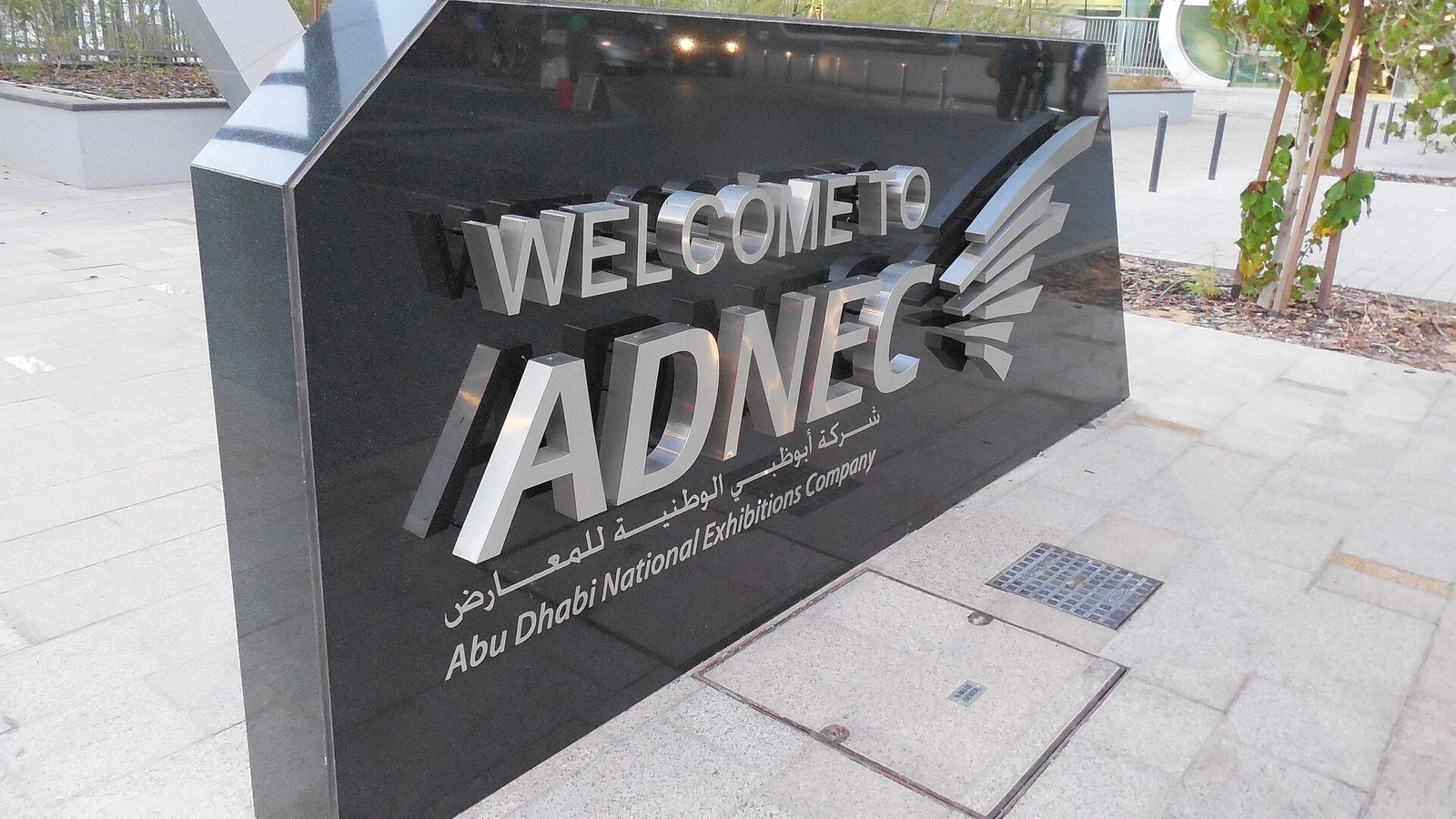
ADIPEC is taking place in Abu Dhabi from 2 to 5 November 2026. For a business reader on 4 November, the practical question is no longer whether to add the event to a future calendar. It is how to use the remaining exhibition time, select the right access category and turn conversations into useful follow-up work.
The organiser's current website lists the exhibition at ADNEC and publishes different closing times for the final two days: 18:30 on 4 November and 17:30 on 5 November, with a 10:00 opening on both dates.[1] These exhibition hours should not be substituted for the access rules of every conference session, meeting or invitation-only activity.
Start with what is open to the pass you hold
The official registration page distinguishes a visitor registration from a conference delegate pass. It describes exhibition access and specialist areas, while the organiser's event information directs participants to official communications for changes.[2][3] Check the actual entitlement on the selected pass before building an itinerary around a particular session.
Related reference: Starting a Business in Abu Dhabi: Match the Licence to the Activity, Customer and Operating Model.
A general online description can be useful for orientation, but it cannot answer every question about admission. Read the current booking screen, the confirmation and any conditions attached to an invitation. This article does not advertise a universal free pass or repeat an older promotional code as if it guarantees today's price.
| Decision | Confirm before departure | Why it matters |
|---|---|---|
| Access category | Visitor, delegate or other authorised entry | Different activities may have different access |
| Time available | Exhibition hours and any booked meeting | The last day closes earlier |
| Priority | Named supplier, technology or commercial question | Prevents an unfocused circuit of stands |
| Follow-up | Responsible person and next action | Keeps a conversation from disappearing into notes |
Use the current programme as a filter
The organiser identifies specialised areas involving AI, digitalisation, maritime and logistics, and low-carbon and chemicals activity.[1] These are useful navigation categories, not promises that every exhibiting product is suitable for every company.
For a hypothetical industrial supplier, the best starting point might be one operational problem: reducing a particular maintenance interruption, improving shipment visibility or clarifying a technical requirement. Use that problem to choose stands and conversations. A large exhibition rewards selection more than endurance.
Create a short list with three columns: the organisation, the question to ask and the evidence needed afterwards. A demonstration can establish that something is worth examining, but the purchasing decision needs specifications, scope, compatibility and the commercial terms relevant to the buyer.
Related reference: Fujairah's Maritime Services Economy: How a Supplier Should Evaluate a Port-Adjacent Opportunity.
Distinguish an announcement from a completed commercial result
Abu Dhabi Media Office records that the exhibition opened on 2 November under the patronage of the UAE President.[4] The event provides a setting for announcements, but each agreement should be read on its own terms. A memorandum, a final investment decision, a pilot and an operational deployment describe different stages.
When a conversation refers to a headline announcement, ask what the document actually establishes. Who are the parties? What is the scope? What stage has been reached? Which elements remain planned? Those questions are more useful than treating every large figure or partnership photograph as immediate revenue for another business.
This is especially important for smaller suppliers. An industry's investment plans may justify market research, but they do not prove that a particular company is qualified, invited to bid or likely to win work. The next commercial action should follow an identified route rather than enthusiasm alone.
Make a short visit commercially coherent
Suppose a founder has four hours available. An illustrative plan is to reserve time for two confirmed meetings, a focused walk through one relevant area and a final period for recording actions. The example is a scheduling method, not an official recommended duration or a guarantee that meetings will run to time.
Related reference: Cash Flow, Pricing and Profitable Growth in Dubai: Why Revenue Alone Is Not a Business Strategy.
Before each discussion, prepare a concise explanation of the company's activity and the problem it can address. Afterwards, record the specific request: a technical document, a contact introduction, a trial discussion or a procurement instruction. Ask permission before adding a person to a mailing list or sharing their contact details with colleagues.
An effective follow-up message states the context, repeats the agreed next step and supplies only the information requested. A generic sales presentation sent to everyone met at the show is less likely to advance a genuine opportunity.
Check the route home as carefully as the route in
Transport, meeting changes and the earlier final-day closing time can affect the plan. Confirm the correct destination and entrance through the organiser's navigation information. Keep sufficient time between the last planned conversation and an onward journey.
If a colleague joins later, agree a meeting point and share the confirmed location rather than a vague instruction to find a particular hall. If assistance or accessibility arrangements are needed, ask about the specific requirement through the official event channels.
Questions for the remaining days
Are both final exhibition days open until the same time?
The checked organiser timetable lists 18:30 on 4 November and 17:30 on 5 November. Recheck official updates before departure.[1]
Does a visitor pass automatically include every conference activity?
Do not assume so. The official registration route distinguishes visitor and delegate categories. Match the intended activity to the pass conditions.[2]
What should a business bring back from the event?
A small number of qualified next steps is more valuable than an unstructured collection of brochures. Identify the decision, responsible person and information required to move each conversation forward.
What should readers verify after the exhibition closes?
Follow the original organisation's subsequent disclosures for delivery milestones. Event announcements are the beginning of a reporting trail, rather than proof that all stated benefits have already arrived.
Official sources and editorial method
Sources checked on 4 November 2026. Numbered references support the official facts stated. Planning frameworks and hypothetical scenarios are CYUAE editorial analysis, not individual legal or tax advice. Photograph captions identify whether an image shows the subject or provides general context, and record its source and licence. Contextual images do not document the announced event or an individual case.