
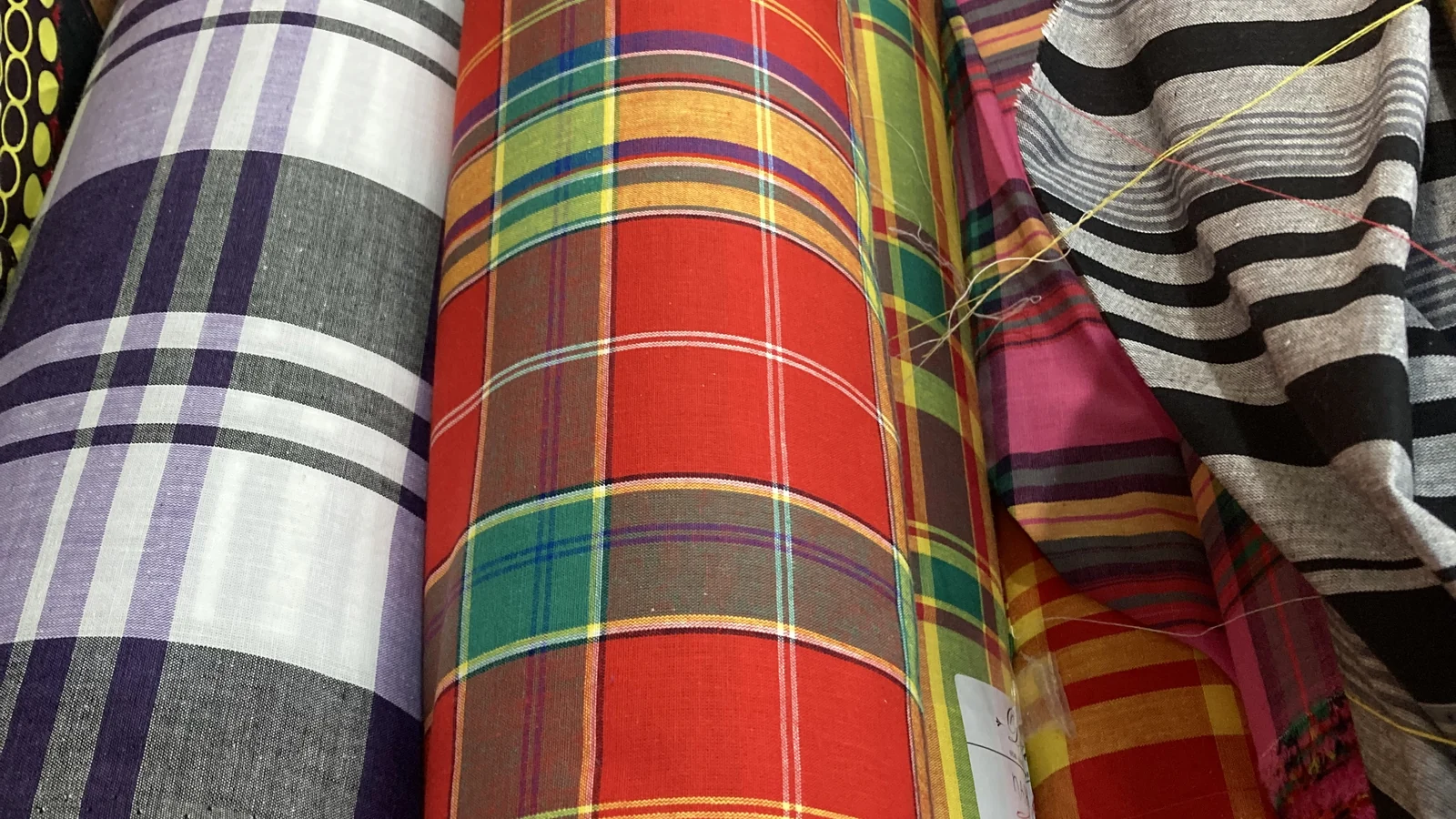
A traditional market is most rewarding when visitors arrive with curiosity about the work being done there. At Saleh Souq in Ajman, looking at a finished garment can lead to questions about fabric, fit, alteration and the relationship between a trader and a returning customer. The market is a place of commerce, not a staged backdrop in which other people become part of a visitor's photograph.
This guide focuses on how to explore the souq, make a considered purchase and connect the experience with Ajman's wider cultural setting. Official sources were checked on 3 November 2026. Suggested activities and example budgets below are editorial planning tools, not a claim of firsthand visits, guaranteed prices or a personal relationship with any trader.
Locate the market before planning the rest of the day
Ajman's official tourism page places Saleh Souq on Sheikh Humaid bin Rashid Al Nuaimi Street in the Nakheel neighbourhood. It describes the souq as opposite Ajman Museum and connected to a heritage route towards the Corniche. [1] Those relationships make a compact cultural outing possible, but they do not establish the current condition of every pavement, crossing or entrance.
Related reference: Ajman Museum: How to Read the Fort, the Exhibits and the Emirate’s Maritime Heritage.
The National Cultural Map identifies the market as a traditional shopping place associated with textiles, clothing, perfumes and tailoring. It places its origins in the 1950s. [2] Ajman's tourism account also describes refurbishment and expansion. [1] It is therefore more accurate to discuss a continuing and adapted commercial place than to suggest everything visible is an untouched survival from one date.
Save the intended arrival point and check the route on the day. If using a taxi, identify the souq by name and nearby landmark. If driving, confirm legal parking and the walking route from it rather than assuming a shop entrance can also serve as a stopping area.
Decide whether this is a browsing visit or a buying visit
The two can overlap, but they require different preparation. A browsing visitor needs time to notice the architecture, product range and pace of trade. A buyer needs a clear specification, a spending limit and enough time to understand the terms.
Official tourism information highlights traditional tailoring alongside textiles, clothing, gifts and souvenirs. [1] Use that as an invitation to ask about the product rather than assuming every item has the same origin, material or production method.
Related reference: Ajman Corniche as a Public-Space Experience: Plan a Coastal Visit Around People, Access and Time.
For a textile purchase, useful questions include: What is the stated fibre composition? Is the price for the full piece or a unit of length? Is alteration included? What care does the fabric require? For a made-to-measure item, ask how many fittings are expected and when collection is possible.
A shop's presence in a heritage setting does not itself establish that a product is handmade in Ajman. If origin or craft technique matters to the purchase, request a clear explanation and decide whether the available evidence meets your needs.
Compare the complete offer, not an isolated number
A quoted price is meaningful only when its scope is clear. A lower fabric price may exclude tailoring; another offer may include a finish that the first does not. Compare similar specifications before deciding that one trader is more expensive.
| Purchase detail | Question to clarify | Record to keep |
|---|---|---|
| Material | What composition and quantity are included? | Product description or label |
| Tailoring | What style, measurements and finish are agreed? | Written order details |
| Delivery | When and where will collection happen? | Collection date and shop contact |
| Changes | What can be adjusted after fitting? | Agreed alteration terms |
| Payment | What is due now and what remains? | Receipt and balance |
These are practical purchasing questions, not a declaration of a universal market policy. Individual shops may have different arrangements. If a term remains unclear, pause before paying rather than relying on an assumption that becomes difficult to prove later.
Related reference: Souq Al Jubail: Read Sharjah’s Food Market Through Trade, Household Choices and Everyday Culture.
Take particular care with a time-sensitive gift. A visitor leaving the UAE the next morning may be better served by a finished item than an ambitious tailoring request. The right purchase is one that can be delivered and used as intended.
Make bargaining respectful and specific
Ajman's tourism page describes bargaining as normal at the souq. [1] That does not mean every product, trader or transaction has an identical negotiation process. Ask politely whether there is flexibility and compare the complete offer.
A useful negotiation is about a clear item and a realistic buying decision. Avoid treating a long discussion as entertainment when there is no intention to purchase. If the price does not suit the budget, thank the trader and leave space for other customers.
Do not use an invented “local price” as proof of what something should cost. An online anecdote may describe a different material, quantity or year. Equally, agreeing a price should not make the buyer feel unable to check the product or ask for a receipt. Courtesy and clarity work together.
For families, decide beforehand whether children have a small independent spending allowance. The exercise can teach comparison and choice without turning every shop into another request for an unplanned purchase.
Build a budget that leaves room for the whole outing
Consider a hypothetical visitor who sets aside AED 300 for discretionary shopping. One possible planning split is AED 200 for a principal purchase, AED 50 for smaller gifts and AED 50 left uncommitted. These are chosen limits, not estimates of market prices.
Transport, food and any admission to a separate attraction should be budgeted independently. If the principal purchase requires tailoring, include any confirmed fitting or collection trip in the decision. A cheap item is less convenient if collecting it creates another costly journey.
At the end of the outing, record actual spending and what was purchased. Keep receipts with the corresponding items, especially where several gifts look similar. If goods will travel internationally, check the destination's customs rules rather than assuming a small market purchase is automatically exempt from every restriction.
The purpose of the budget is to support an enjoyable visit, not to force spending up to the limit. Leaving without a purchase is a perfectly reasonable result when nothing fits the need.
Observe culture without turning people into exhibits
Ajman's official local-customs information treats traditional dress as part of identity and pride, and explains hospitality practices within the emirate. [3] The visitor's task is to approach those practices with respect, not to demand an encounter that matches a tourism description.
Ask before taking identifiable photographs of traders, customers or staff. Permission to photograph a product is not automatically permission to photograph the person showing it. Keep doorways and narrow shop areas clear, and avoid interrupting fittings or private conversations.
When a word or garment name is unfamiliar, a short, sincere question is better than an elaborate assumption. If a trader is busy, return later or continue the visit. Nobody owes a cultural explanation simply because a visitor carries a camera.
Children can participate by asking one appropriate product question, sketching a permitted architectural detail or comparing textures with permission. Do not handle delicate goods without invitation.
Connect the souq with a manageable Ajman itinerary
A market visit and a museum visit answer different questions. The museum can help establish historical context; the souq reveals present-day choices and transactions. The Corniche can provide a change of pace. Official tourism information connects these locations, but each element needs its own practical check. [1]
For a short outing, choose one anchor and one optional addition. If the family wants time for a fitting, let the market be the anchor. If a confirmed museum session is the priority, schedule browsing around it. Do not treat a suggested walking relationship as proof that every member of the group will find the route comfortable.
Ajman's official transport information describes taxi and public-transport options. [4] Confirm current routes, availability and fares with the operator before departure. This article does not repeat old minimum fares or car-hire prices from a general destination page as if they were a live quotation.
An accessible visit should begin with the actual person's requirements. Ask about the approach, surfaces and entrance to the intended shop. A broad description of an area as walkable cannot establish step-free access to every business.
Questions visitors often need answered
Is Saleh Souq the same experience as a shopping mall?
Its official descriptions emphasise traditional market character and tailoring. Approach it as a working collection of shops, with individual offers and arrangements, rather than assuming a uniform chain-store experience. [1][2]
Are opening hours and admission prices confirmed here?
No fixed hours or admission charge were established in the checked official descriptions. Confirm the trading times of the shops you want to visit, especially for a fitting or collection. The tourism page recommends the evening atmosphere, but that is not a guarantee that every shop follows identical hours. [1]
Should I buy something simply because it is described as traditional?
Choose the product for its quality, usefulness and accurately explained origin. “Traditional” can refer to style, setting or technique; ask which meaning applies before attaching a stronger claim to it.
What makes this a meaningful cultural visit?
Attention to the work, respectful conversation and a clear distinction between observed facts and assumptions. A well-understood small purchase or thoughtful hour of browsing can reveal more than a hurried bag of anonymous souvenirs.
Official sources and editorial method
Sources checked on 3 November 2026. Numbered references support the official facts stated. Planning frameworks and hypothetical scenarios are CYUAE editorial analysis, not individual legal or tax advice. Photographs are contextual; image credits identify their source and licence. They do not document a particular application or case.


