An employee becomes unwell, sends a message to a manager and later discovers that the absence has been recorded as unpaid leave or an unexplained failure to attend. The disagreement may concern entitlement, but it can also begin with a broken information chain: the right person was not notified, the medical document did not cover the dates recorded or payroll counted earlier absences differently.
A reliable sick-leave process connects the employee's medical evidence, notification, leave balance and payroll treatment. This guide explains the standard UAE private-sector framework and a practical way to keep those records coherent. It does not diagnose illness or determine the outcome of an individual employment dispute. Official sources were checked on 2 November 2026.
Establish which rule applies
Article 31 of Federal Decree-Law 33 of 2021 addresses sickness not arising from a work injury. The official labour-law text requires notification to the employer or representative within no more than three working days, together with a medical report issued by the medical entity. Occupational injury is a different category and should not be forced into an ordinary sick-leave calculation. [1]
Related reference: UAE Private-Sector Annual Leave: Plan the Days, Understand the Pay and Reconcile the Balance.
The UAE Government's guidance explains the standard post-probation allowance: up to 90 days in a year of service, whether continuous or intermittent. The first 15 days are fully paid, the following 30 are half paid and the remaining 45 are unpaid. During probation, paid sick leave is not an entitlement under this rule; an employer may grant unpaid leave supported by a medical report. [2]
These figures are the starting framework, not a reason to ignore an employee's actual employment regime or more favourable contractual arrangements. First identify the relationship and the documents governing it. A household living in Ajman, for example, should establish the employer's applicable framework rather than assume that the emirate of residence determines the employment rules.
Notify the right person and preserve the message
A practical notification should identify that the employee is unable to attend, the expected absence if known and how the medical report will be supplied. Use the employer's recognised reporting channel and retain evidence of the communication. If circumstances prevent the usual process, explain the situation as soon as reasonably possible and ask how the record should be completed.
The legal notification period is not a recommended waiting period. Prompt communication helps the organisation cover urgent work and reduces ambiguity about whether a person is absent or has simply failed to respond. A brief message can establish contact before a longer administrative exchange becomes possible.
Related reference: UAE Private-Sector Probation: Notice, Job Changes and a Clean Employment Handover.
The employee should not need to turn a workplace group chat into a public medical file. Ask the responsible HR contact how supporting information is submitted securely and who needs access. The operational objective is to document the absence properly while keeping personal information proportionate to its purpose.
Match the report to the absence
Check the name, dates, issuing entity and period covered by the medical document. If the employee returns later than the original period, establish whether additional medical evidence is needed and how it should be provided. A report covering one period does not silently explain every subsequent day.
Keep the original document and the version sent to the employer. If a document is corrected, preserve the correction and explain which version replaces the earlier one. The same principle applies when HR asks for a clearer copy: record that the request concerns readability, rather than assuming it changes the underlying leave dates.
These are evidence-management suggestions. They do not add an unpublished nationwide attestation procedure. Any specific certification or verification requirement should be checked with the competent authority and the employer's applicable process, rather than copied from another person's experience.
Related reference: Living in Ajman and Working Elsewhere: Build a Commute Budget Before Choosing a Home.
Reconcile the year-of-service leave ledger
Intermittent absences make the balance especially important. An employee may remember the current illness clearly while overlooking earlier periods already counted within the relevant year of service. Payroll needs a cumulative record; the worker needs to understand that record before checking the pay stage.
| Ledger field | Question it should answer |
|---|---|
| Service-year reference | Which annual period is being measured? |
| Absence dates | Which days were recorded for each period? |
| Medical evidence | Which report supports those dates? |
| Cumulative days | How much of the allowance has already been used? |
| Pay stage | Which days fall within full, half or unpaid leave? |
| Adjustment record | What changed and who confirmed it? |
Ask HR to explain the counting method if the dates or balance are unclear. Do not substitute a calendar-year assumption for a year-of-service rule without checking. Equally, a spreadsheet made by the employee is a useful reconciliation tool, not an official determination of the balance.
Worked example: an absence crossing a pay stage
Suppose a hypothetical employee has completed probation and has already used 12 qualifying sick-leave days within the applicable service year. A new medically supported absence is recorded for 10 further days. Under the standard staged allowance, the first three additional days complete the 15-day full-pay stage; the remaining seven fall within the half-pay stage.
The point of the example is allocation, not a universal monetary formula. The actual payroll calculation needs the applicable wage basis, recorded days and any more favourable provision. Ask for that calculation instead of multiplying an assumed daily rate taken from an unrelated leave or gratuity example.
Now suppose the earlier balance was entered as 14 days because two dates were duplicated. Correcting the underlying record changes how much of the new period falls within each stage. Debating the payslip total before reconciling the dates would address the symptom while leaving the cause unresolved.
Keep payroll and treatment questions separate
Medical assessment concerns health and the report supplied by the treating entity. Payroll treatment concerns the entitlement and the employment record. The employer may need information to administer leave, but a payroll dispute cannot establish a medical diagnosis. Likewise, a medical report does not automatically settle every contractual wage question.
Dubai's official living guidance summarises the same 15-day, 30-day and 45-day pay stages after probation. It is a useful cross-check, not a separate allowance added on top of the federal entitlement. Reading two government pages does not create two sets of days. [3]
An employee who anticipates a reduced-pay period can prepare a short household cash plan. Separate expenses that continue unchanged from those that may be postponed or discussed with providers. Do not assume that a future insurance payment or an employer's discretionary assistance has been approved until the relevant decision is recorded.
Handle disagreement as a specific record problem
Identify the disputed point: missing evidence, incorrect dates, a different balance or the wrong pay stage. Supply the relevant document and request a written explanation. An accurate request might say that the current ledger shows a particular absence twice and ask for reconciliation against the reports already submitted.
If the matter cannot be resolved internally, the government dispute guidance identifies MOHRE as the route for complaints within its jurisdiction. Obtain the current procedural instructions for the actual relationship; this guide does not promise a particular decision or calculate a case-specific filing deadline. [4]
The official government sick-leave page also addresses termination during sickness and the position after the allowance is exhausted. A person facing termination should obtain advice on their actual dates and circumstances rather than treat a single headline as a complete dismissal assessment. [2]
Questions employees and managers should resolve
Is each new medical certificate a fresh 90-day allowance?
No. The standard allowance described by the official guidance is measured within a year of service, including continuous and intermittent periods. Keep a cumulative record rather than restarting the balance for each document.
Can an employer provide better benefits?
Check the applicable contract and policy for any more favourable arrangement. Identify precisely what it changes, who qualifies and how it interacts with the standard record. A generous informal promise is harder to administer than a clear written policy.
What should a manager do first?
Record the notification, identify the appropriate HR process and arrange work coverage. Avoid making an immediate payroll conclusion before the dates and documentation have been assessed through the correct process.
What does a good return-to-work handover contain?
The confirmed return date, any unresolved administrative documents and clear work priorities. Medical or accommodation issues should go through the appropriate professional and employment channels, with personal information handled proportionately. The aim is a coherent record and a manageable return, not unnecessary disclosure to the wider team.
Official sources and editorial method
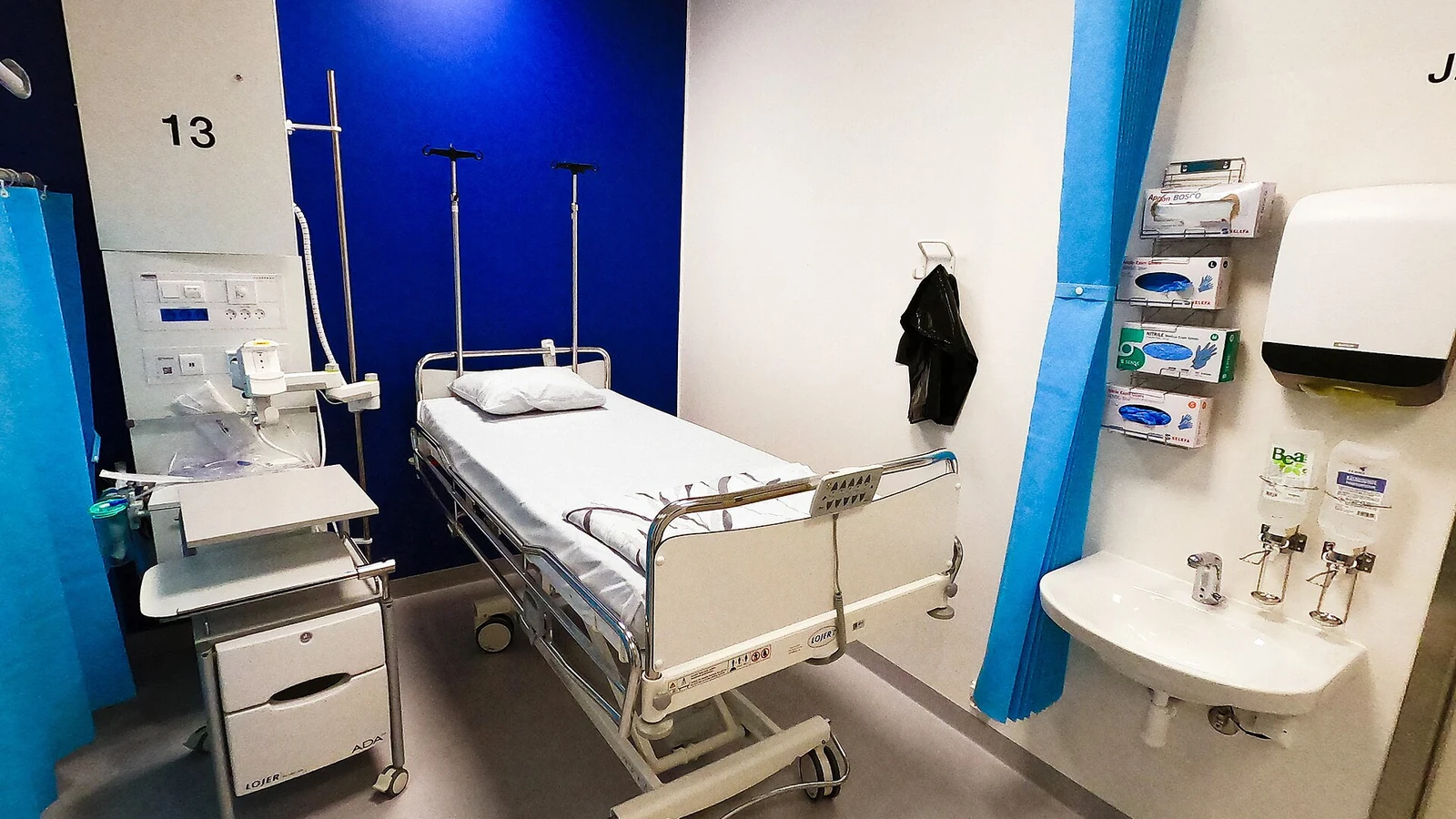
Sources checked on 2 November 2026. Numbered references support the official facts stated. Planning frameworks and hypothetical scenarios are CYUAE editorial analysis, not individual legal or tax advice. Photographs are contextual; image credits identify their source and licence. They do not document a particular application or case.