
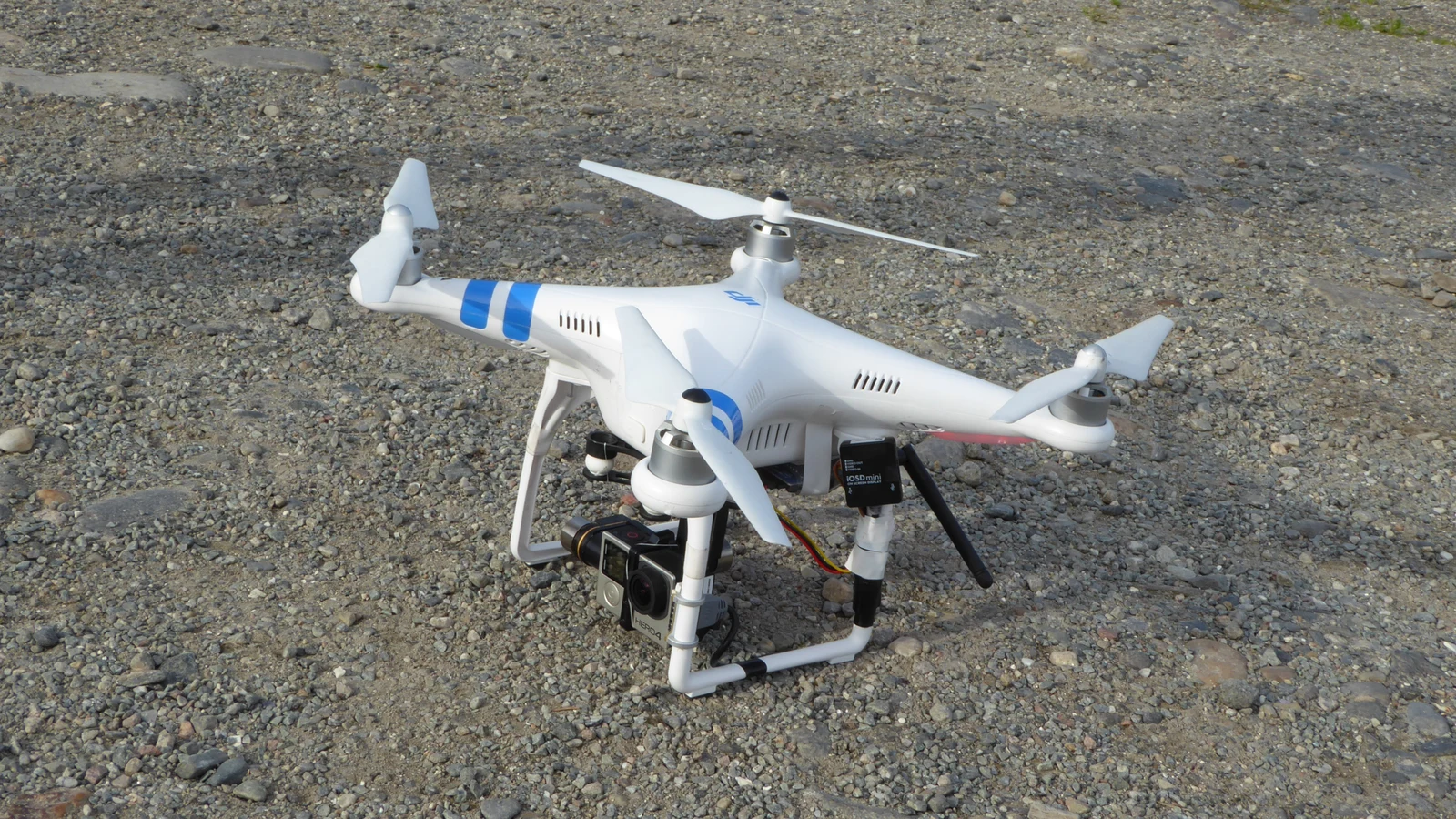
A drone registration, a coloured airspace map and a travel booking answer different questions. None should be treated as a complete permission to launch a drone in the UAE. The first task is to establish whether the intended operation can currently be authorised at all. Only then is it useful to examine the pilot, aircraft, location and flight-specific conditions.
This guide is written for residents and visitors considering recreational use, with an Umm Al Quwain outing as its hypothetical example. It is not flight clearance, an aviation briefing or a guide to commercial filming. Official sources were checked on 7 November 2026. The review found a material safety-decision and guidance-currency issue, so the article deliberately does not present an ordinary registration process as proof that flying is currently permitted.
Read the safety decision before the general registration page
GCAA Safety Decision 2026-03, Issue 03, dated 27 April 2026, suspends drone authorisations and approvals and prohibits operations during the suspension. It also stops new approvals during that period, while allowing a specific written GCAA exemption. The decision states that it may be amended, extended or cancelled; it does not provide a fixed expiry date.[1]
Related reference: Reading a UAE regulatory announcement: five questions that matter.
GCAA subsequently issued Safety Alert 2026-02 on 2 May 2026, announcing normal air-navigation operations and addressing airlines, air-navigation providers and aerodromes. The alert does not expressly identify or cancel the drone-specific Safety Decision 2026-03.[4] This review therefore cannot establish how that general resumption applies to the proposed recreational flight. Obtain clarification directly from GCAA and the relevant emirate authority; do not infer either blanket flight permission or a definitive current prohibition from this article.
An open registration portal is not evidence that a safety restriction has ended. Nor should a person infer cancellation from a document appearing in an archive, a social-media video showing someone flying or an operator saying that “everyone is doing it now”. Ask for the official instruction and the permission applicable to the actual operation.
Separate four different approval questions
A practical review separates the current regulatory position, the pilot’s eligibility, the aircraft’s status and the specific flight. A positive answer at one stage should not be copied into the next stage without checking what it establishes.
| Layer | Question to resolve | What it does not prove |
|---|---|---|
| Current operating position | Does a safety restriction apply, and is an exemption required? | That registration alone permits operation |
| Pilot | Is this person eligible and appropriately trained? | That any aircraft or location is acceptable |
| Aircraft | Is the particular drone properly documented and registered? | That a flight at a chosen time is approved |
| Flight and location | What permission and local conditions apply to this operation? | That private land access or photography permission is included |
Keep the answers together, with dates and issuing authorities. An approval referring to another person, aircraft or activity should not be repurposed because the equipment looks similar. Where an answer is unclear, request clarification before spending money on an activity that depends on it.
Related reference: Visiting Umm Al Quwain’s Coastal Environment Responsibly: Access Checks, Group Planning and Better Nature Observation.
Distinguish a resident’s application from a visitor’s assumption
The actual GCAA recreational regulation, CAR-UAR Issue 04, dated 3 September 2025, specifies a UAE-resident pilot aged at least 18, registration through UAE Drones using UAE PASS and training from an approved organisation. It also addresses aircraft documentation, remote identification and flight approval.[2]
Those framework conditions do not remove the separate safety-decision question. A person who satisfies the resident and training criteria still needs the current operating position and the relevant flight permission established. Conversely, a visitor should not assume that an overseas licence, an app account or ownership of a small drone makes them eligible under the UAE recreational route.
If you are visiting, explain your actual status when asking the authority for guidance. Do not describe yourself as a resident merely because a friend can help with an application. If an intermediary offers to arrange access through another person’s account, stop and clarify the lawful route rather than borrowing an identity or a permit.
Resolve the camera conflict before bringing filming equipment
There is a material difference between official sources. GCAA’s general registration webpage says camera use is allowed in flying zones subject to relevant laws. CAR-UAR Issue 04 expressly prohibits equipping recreational aircraft with cameras or other filming or recording devices.[2][3]
Related reference: Planning a Fujairah Adventure: Check the Official Season, Operator Permission and Activity Fit Before Booking.
This guide does not reconcile that conflict by choosing the more convenient webpage. Confirm the current applicable regulation and the equipment’s treatment with GCAA. Do not infer that an integrated camera is exempt, that turning recording off solves the issue, or that a holiday photograph belongs automatically within an authorised recreational operation.
Commercial work, compensated activity and professional aerial imaging raise separate categorisation questions. Explain the real purpose of the operation, including whether anyone is being paid or a business will use the output. Calling work a hobby does not make the underlying purpose disappear.
Treat a location as a permission question, not an attractive backdrop
The recreational regulation includes designated-area and flight-map requirements, alongside visual-line-of-sight, daylight and other operating controls.[2] These are framework requirements to understand if and when an operation is lawfully authorised. They are not an invitation to select a green-looking area and launch despite an unresolved restriction.
For an Umm Al Quwain visit, identify the precise proposed place and the authority responsible for it. A beach, wetland, resort, archaeological site and residential neighbourhood are different settings. Permission to enter as a visitor does not establish permission to operate an aircraft there. A property owner’s consent also does not replace aviation approval.
Related reference: Jebel Jais Hiking: Route Choice, Group Readiness and a Safer Mountain Day.
Ask whether conservation, privacy, security or venue conditions affect the proposed activity. Avoid transferring a permission from another emirate or a different site to the place you intend to visit. The right question is specific: this pilot, this aircraft, this activity, this location and this date.
A hypothetical Umm Al Quwain weekend
Imagine a resident who wants to take a visiting friend to a coastal location and record aerial footage. The resident has an older registration, while the friend owns a newer camera-equipped drone. A phone app appears to show an area suitable for flying.
There are already several unresolved questions. The older registration does not establish the current safety position. The friend’s visitor status raises eligibility questions. The new aircraft has its own documentation and camera issue. The map does not establish land access, environmental conditions or a flight-specific permission.
A responsible plan pauses the launch idea while seeking official clarification. The outing can still proceed as an ordinary ground-based visit if access is permitted. That separates the leisure objective from an aviation activity that has not been established as lawful. It is better planning than arriving with equipment and trying to negotiate permission on the spot.
Prepare a narrowly defined enquiry
An effective enquiry gives the authority enough facts to identify the issue without sending unnecessary personal documents through an unverified channel. State whether the person is a resident or visitor, the intended recreational purpose, the aircraft type and relevant features, the proposed place and date, and the registration or permission already held.
Ask which current safety decision applies, whether the proposed activity is eligible for authorisation, what written permission is required and which local authority must also be consulted. If a response refers to another document, obtain that document and check its scope. Keep the answer with the application reference.
For unresolved documentary or operational questions, GCAA’s public registration page provides its drone enquiry channel, including drones@gcaa.gov.ae.[3] The safety decision itself identifies its policy-and-regulation contact.[1] Use the contact listed for the relevant issue and verify it on the official source before sending identity material.
Budget only after the lawful route is established
This guide does not quote a universal hobbyist package fee or promise a processing time. Training, product documentation, registration, permissions and optional assistance are different services. Their relevance depends on the current route and the actual applicant.
Ask any provider to identify exactly what it is selling and what it cannot guarantee. A training payment should not be presented as a flight approval. A registration service should not imply that a temporary restriction has been lifted. Keep the commercial quotation separate from the authority’s permission.
Questions prospective pilots commonly ask
Does this article confirm that I may fly today?
No. The review found the published suspension decision and did not verify a later primary instruction establishing permission for your proposed recreational operation. Obtain the current position and required approvals directly.
Is a green map sufficient?
No. A map is one information layer. It does not establish pilot eligibility, resolve a safety restriction or replace the particular permissions needed for the operation.
Can a tourist use a resident friend’s permit?
Do not assume that another person’s registration or permission covers you. State the actual pilot, aircraft and visitor status to the authority and request the lawful route.
Should I rely on the older camera wording?
The official webpage and the cited regulation differ. Obtain clarification; do not turn that inconsistency into an unsupported exemption for camera-equipped recreational aircraft.
Official sources and editorial method
Sources checked on 7 November 2026. Numbered references support the official facts stated. Planning frameworks and hypothetical scenarios are CYUAE editorial analysis, not individual legal or tax advice. Photographs are contextual; image credits identify their source and licence. They do not document a particular application or case.