
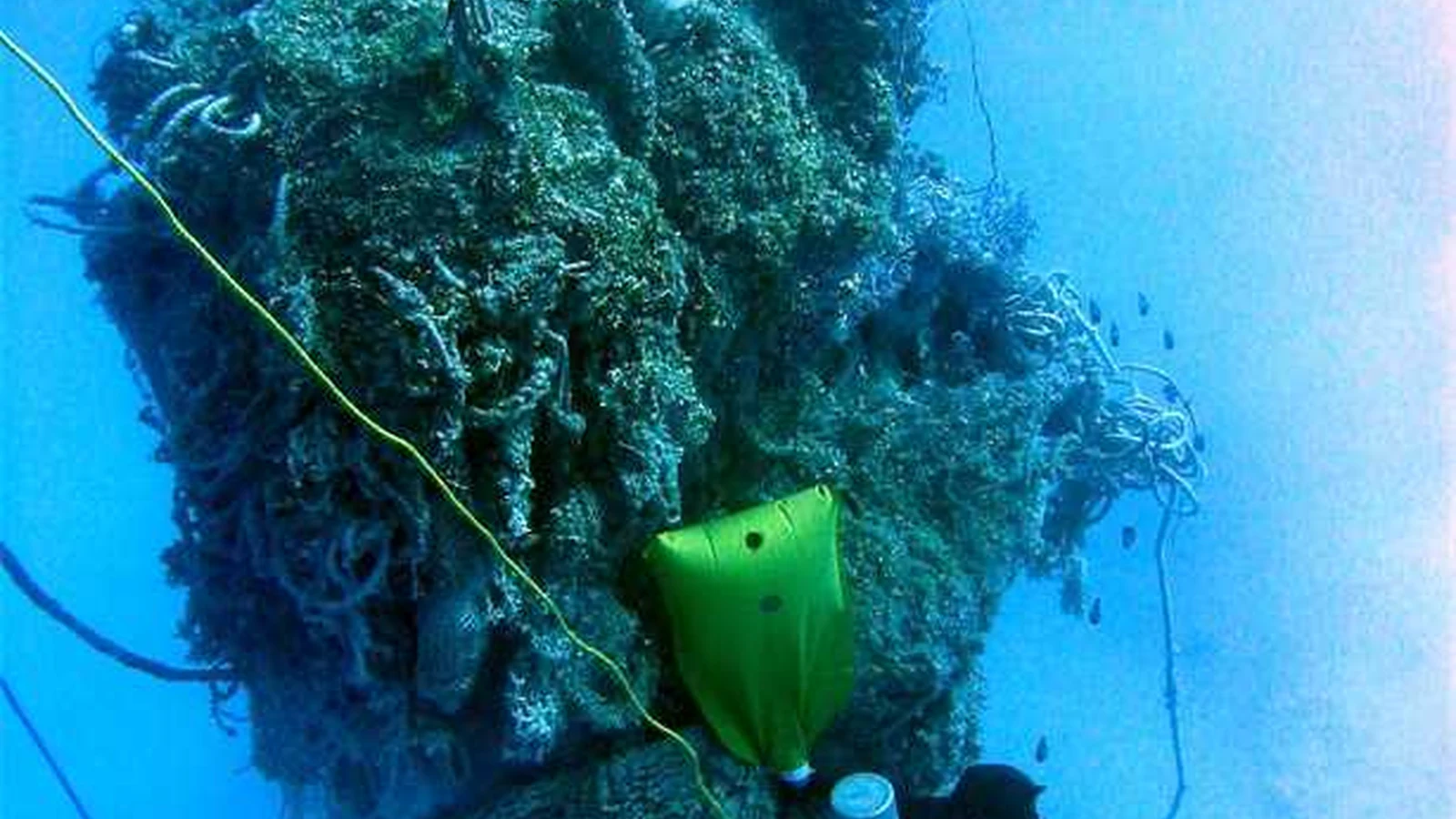
A diving excursion in Fujairah should be evaluated as a specific activity at a specific site, rather than as a generic beach add-on. The booking involves an operator, a vessel or shore arrangement, a participant’s actual experience and the conditions governing access to the water. An appealing reef photograph answers none of those questions. This guide focuses on Dibba Rock and the decisions behind a responsible booking, using official and primary conservation information checked on 2 November 2026.
The aim is to prepare better questions. It does not certify an operator, establish a participant’s fitness to dive or announce a new permit. A recognised training qualification, a company’s operating authority and permission for a particular activity in a protected location are separate matters. Ask the responsible provider and authority to explain how each applies to the proposed trip.
Understand the place before choosing the product
The Ministry of Climate Change and Environment’s Arabic ecotourism entry places Dibba Rock in Fujairah’s Gulf of Oman waters, within a marine-protected setting near Al Aqah. It identifies diving and snorkelling as activities and directs visitors towards licensed diving centres. Access is described as a boat journey coordinated through the relevant centre; schedules, facilities and charges depend on the provider. These are orientation details, not a guarantee that every advertised departure is authorised or suitable. [1]
Related reference: Al Aqah Beach and Coastal Activities: Planning a Fujairah Stay Around the Experience You Actually Want.
Dibba Rock should not be confused with every destination using the name Dibba. A booking needs an exact departure point, site name and itinerary. Ask whether the planned activity is at the rock, another reef, a wreck or an alternative location chosen for conditions. A general statement that the trip takes place on the East Coast is insufficient for comparing two offers.
The official entry describes a marine environment with corals and a variety of species. Treat wildlife as a possibility to observe, not a list of encounters the operator owes the customer. A responsible offer can describe the habitat without promising that a turtle or particular fish will appear on demand.
Separate three kinds of permission
First, establish who is supplying the service. Obtain the company’s name and the identity of the entity receiving payment. If a hotel, booking platform or independent organiser is selling the excursion, ask which dive centre actually conducts it. The commercial seller and the in-water provider may have different responsibilities.
Second, establish the proposed activity and the operator’s arrangements for the site. Ask what authorisation is required for the location, who holds it and whether any restrictions affect the departure. The official material reviewed for this guide does not provide a complete public permit form, universal visitor fee or approval timeline for every Fujairah diving activity. Do not replace that gap with a confident claim from an unofficial listing.
Related reference: Dibba Al Fujairah: Planning an East-Coast Visit with Accurate Geography.
Third, establish what the individual participant must demonstrate. Tell the provider about relevant training, recent experience and any limits that affect the activity. A general booking confirmation is not evidence that the planned dive matches the person’s capabilities. Questions about health or fitness should be taken to the appropriately qualified professional and the provider’s formal screening process.
Compare offers on scope before comparing price
| Booking element | Question to settle before payment | Why it changes the comparison |
|---|---|---|
| Supplier | Who is the conducting operator and who receives payment? | Establishes the commercial and operating chain |
| Site | Which location is planned and what alternatives may be used? | Makes the actual product identifiable |
| Participation | What experience, documentation and screening are required? | Avoids assuming that every offer suits every visitor |
| Equipment | What is included and what must be supplied separately? | Reveals the real cost and preparation burden |
| Conditions | Who decides whether to proceed, relocate or cancel? | Establishes the response to changing circumstances |
| Terms | What happens to payment if the activity changes? | Separates an operational decision from a refund assumption |
This table is an editorial comparison tool, not an official licensing checklist. Its value lies in making two quotations comparable. A lower advertised price may cover a different number of sessions, a different equipment arrangement or a different site. Request a written description that can be reconciled with the invoice and booking confirmation.
An example helps. One hypothetical offer includes equipment and boat transport, while another lists those separately. The apparent difference in price disappears if the second offer’s necessary additions exceed the saving. The same issue arises when one offer includes instruction and another assumes the participant already meets a stated level of experience. Compare what will actually be delivered.
Read conservation as a boundary on behaviour
The UAE government’s ecosystem overview identifies coral reefs as habitats and breeding areas and notes the damage that anchors, fishing equipment and poorly informed diving can cause. It also explains that the Gulf of Oman coastline differs from the Arabian Gulf coastline. A photograph or experience from one part of the country should not be treated as a universal description of another. [2]
Related reference: Fujairah Fort and Museum: Reading the East Coast Through Buildings, Objects and Landscape.
Emirates Nature–WWF describes its work mapping Northern Emirates coastal and marine habitats with public-sector partners. The project distinguishes habitat types rather than treating all nearshore water as an interchangeable recreational space. For visitors, the practical implication is to respect the operator’s site-specific briefing and the protected-area boundaries established by the responsible authorities. [3]
Before departure, ask how the group avoids contact with coral and wildlife and how the vessel is positioned without damaging sensitive habitat. A responsible provider should be able to explain its procedures in understandable terms. Do not turn an animal into a photographic prop or assume that paying for an excursion entitles the group to handle, collect or disturb what it encounters.
Keep diving, collecting and fishing distinct
A boat trip, an observation dive and fishing are different activities. The UAE government’s fishing guidance states that fishing requires a licence and that rules govern prohibited areas, species and seasons. It points to the Hadaq map as a tool for understanding permitted fishing locations and restrictions. A diving booking should not be interpreted as permission to catch marine life. [4]
If an operator proposes several activities, ask how the authorisation and conditions for each are addressed. Do not assume that a recreational fishing arrangement, a diving certificate or a vessel’s registration answers every regulatory question. The correct question is what applies to the particular activity in the particular location.
This distinction also applies to souvenirs and photography. An object appearing loose or an animal appearing approachable does not establish that it can be removed or touched. When unsure, leave it undisturbed and ask the responsible professional. The purpose of an observation outing is compatible with returning without a physical object from the site.
Make the change-of-plan policy explicit
A marine activity needs an operational decision about the actual conditions. The customer’s role is not to pressure the provider into proceeding because the journey was expensive or the date was special. Ask in advance who makes that decision and how changes are communicated.
The commercial consequences need their own explanation. Establish whether a relocation, rescheduling or cancellation produces a refund, credit or another outcome under the booked terms. Obtain that information before payment. The fact that an activity cannot proceed safely does not, by itself, tell the customer what a particular contract says about money.
For a family or mixed-experience group, consider whether everyone is buying the same experience. A non-diving companion may need a different arrangement from a qualified participant. Confirm what that person can actually do and where they will remain during the activity. Do not assume that a boat excursion automatically includes an appropriate alternative for every member of the party.
Retain a small but coherent booking record
Keep the provider’s name, written itinerary, inclusions, payment receipt, participation requirements and change terms together. Before departure, reconcile any revised instructions with the original booking. A message moving the group to another departure point or site should be understood rather than ignored as a minor logistical detail.
After the trip, a useful review describes the experience actually supplied: the clarity of the briefing, whether the agreed inclusions were provided and how changes were handled. Avoid presenting an absence of a particular wildlife sighting as proof that the provider failed. An observation trip can be well run without producing the image a customer had imagined.
Questions to resolve before committing
Does an official tourism entry prove an excursion is operating today?
No. It establishes that the destination is recognised and gives background. Confirm the current departure, site arrangements and conditions through the responsible provider. A general year-round description is not a weather assessment or a live availability feed.
Is a personal diving qualification the same as permission to operate in a reserve?
No. Training, commercial operation and site access answer different questions. Ask how the proposed activity satisfies each relevant requirement. This guide does not infer a universal exemption or approval from one document.
What should a visitor do if the answers remain vague?
Request the missing details before paying or proceeding. A clear supplier identity, defined itinerary and understandable operating process are reasonable foundations for a booking. The most useful decision is one supported by information that matches the activity being purchased, not by the strongest promotional promise.
Official sources and editorial method
Sources checked on 2 November 2026. Numbered references support the official facts stated. Planning frameworks and hypothetical scenarios are CYUAE editorial analysis, not individual legal or tax advice. Photographs are contextual; image credits identify their source and licence. They do not document a particular application or case.


