
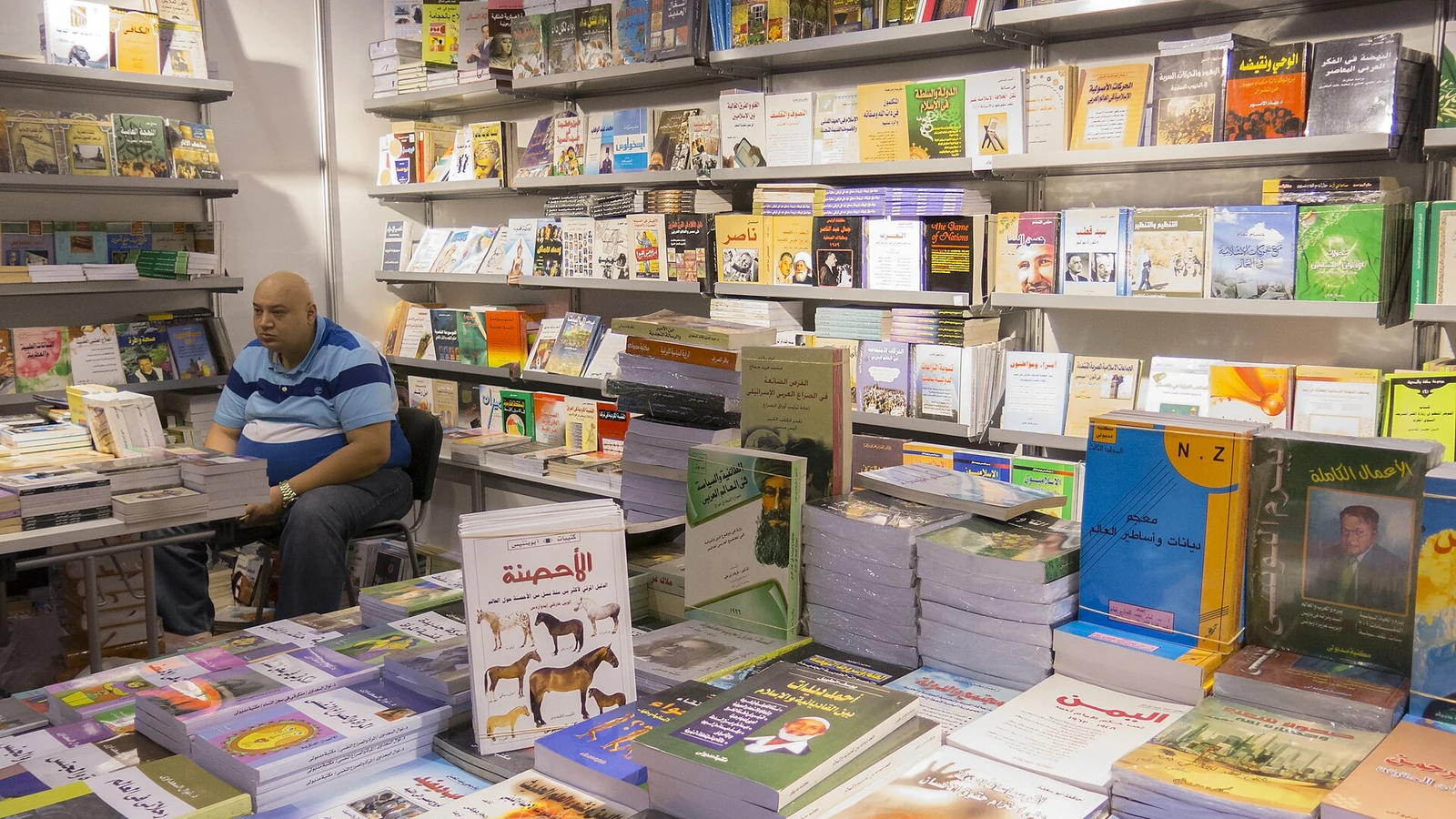
Sharjah International Book Fair's published public dates begin today, 4 November, and continue through 15 November 2026 at Expo Centre Sharjah. The organiser's calendar separates that public fair from the Publishers Conference, listed for 1–3 November, and the International Library Conference, scheduled for 7–9 November.[1] That distinction matters for anyone arriving with a professional appointment rather than simply browsing.
This is a current visitor briefing based on the official programme checked on 4 November. It is not an eyewitness report of an opening ceremony, a claim about attendance already achieved, or a promise that every advertised activity will be available at a particular time. The useful question is how to turn a large cultural event into a focused encounter with books, people and ideas.
Confirm the event before planning the day
Expo Centre Sharjah independently lists the fair for 4–15 November, identifies the Sharjah Book Authority as organiser and confirms the venue.[2] The National Media Authority also carries the same dates and location.[3] Together, those records establish the event being discussed; they do not replace the live programme for a specific workshop, signing or professional session.
Related reference: Sharjah Museum of Islamic Civilization: A Visitor’s Guide to Reading Objects, Ideas and Scientific History.
Use the organiser's own site as the starting point for any registration requested. A calendar listing that says registration is available does not establish that a general visitor badge grants entry to every professional conference. Check the exact session, admission route and any capacity restriction before travelling for it.
Keep a saved copy of the appointment or confirmation. If a publisher suggests a meeting, ask for the hall, stand, contact name and time. “Meet us at the fair” creates an intention; those four details create an appointment.
Give the visit one clear purpose
A reader, parent, school group and publishing professional can all attend the same fair while needing very different plans. A reader may want to compare translations. A parent may want a child to discover a new subject. An author may need two carefully prepared meetings rather than a bag of business cards.
Choose one principal objective and one optional objective. For example, a family might look for three books at a suitable reading level and attend one confirmed activity. A translator might compare editions in two languages and arrange one professional discussion. These are editorial planning examples, not items guaranteed by the programme.
Related reference: Sharjah Art Foundation: How to Plan a Contemporary-Art Visit That Goes Beyond Looking.
| Visitor | A useful objective | Evidence of a worthwhile visit |
|---|---|---|
| General reader | Compare books on one subject | A considered shortlist with reasons |
| Parent and child | Find a book the child wants to continue | Interest and reading fit, not volume purchased |
| Teacher | Identify material for a defined learning need | Samples, age suitability and ordering information |
| Author or publisher | Resolve a specific professional question | A meeting record and an agreed next step |
A purpose narrows attention without eliminating discovery. Leave room to encounter an unfamiliar writer or language, but avoid making the day depend on seeing everything.
Buy with a reading plan and a spending limit
The cost of a book is only one part of the decision. Consider language, translation, edition, print quality, portability and whether the reader will realistically use it. A heavily illustrated reference work and a compact reading edition may serve different needs even when their titles look similar.
Imagine a visitor setting a hypothetical AED300 book budget. They reserve AED180 for planned purchases, AED70 for an unexpected discovery and AED50 as an uncommitted balance. Those figures are chosen limits, not fair prices or a claim about discounts. The point is to preserve choice instead of spending everything at the first attractive stand.
Photograph a title or note its ISBN, with the exhibitor's permission where relevant, before comparing alternatives. Ask whether the displayed price applies to the exact edition and whether a receipt will identify the purchase. If delivery is offered, confirm the charge, destination, timing and contact route in writing.
Related reference: Seven emirates, more than one way to experience the UAE.
Treat an author conversation as a real exchange
A signing can be memorable, but a meaningful question often leaves a longer impression than a hurried photograph. Ask about an argument, a character, a research problem or a reading recommendation. Keep the question brief enough for the setting and respect the queue.
For an aspiring author, the strongest preparation is a concise explanation of the work: subject, intended reader, language, current stage and the question being asked. Do not present a chance encounter as a publishing agreement. Representation, translation rights and distribution each require their own documented discussion.
Likewise, a business card is not permission to add someone to every mailing list. Record the conversation and follow the channel and purpose actually agreed.
Match the cultural programme to the group's capacity
The organiser's visitor information points to cultural activities, workshops, school registration and volunteering routes.[1] Check the relevant live listing rather than assuming a social-media clip from another year establishes the current programme.
For children, one suitable session and time to choose a book may produce more engagement than several rushed activities. For older visitors or anyone with access needs, establish the approach to the venue, seating, meeting point and manageable walking distance. A large indoor event can still involve a demanding journey.
Do not turn a full fair day into an automatic promise to complete a museum itinerary afterwards. Consider energy, transport and the return journey before adding another destination.
What to check before leaving home
Confirm the intended date, current visitor hours, specific registration and any session arrangements. Save the venue location and a contact route. Agree a meeting point with companions and keep essential purchases or documents together.
The fair's public run begins on the official calendar today. The opportunity for a visitor is personal and practical: leave with a few books worth reading, a question worth pursuing or a professional exchange that has an identifiable next step. That outcome depends more on preparation and attention than on the number of stands passed.
Official sources and editorial method
Sources checked on 4 November 2026. Numbered references support the official facts stated. Planning frameworks and hypothetical scenarios are CYUAE editorial analysis, not individual legal or tax advice. Photograph captions identify whether an image shows the subject or provides general context, and record its source and licence. Contextual images do not document the announced event or an individual case.


