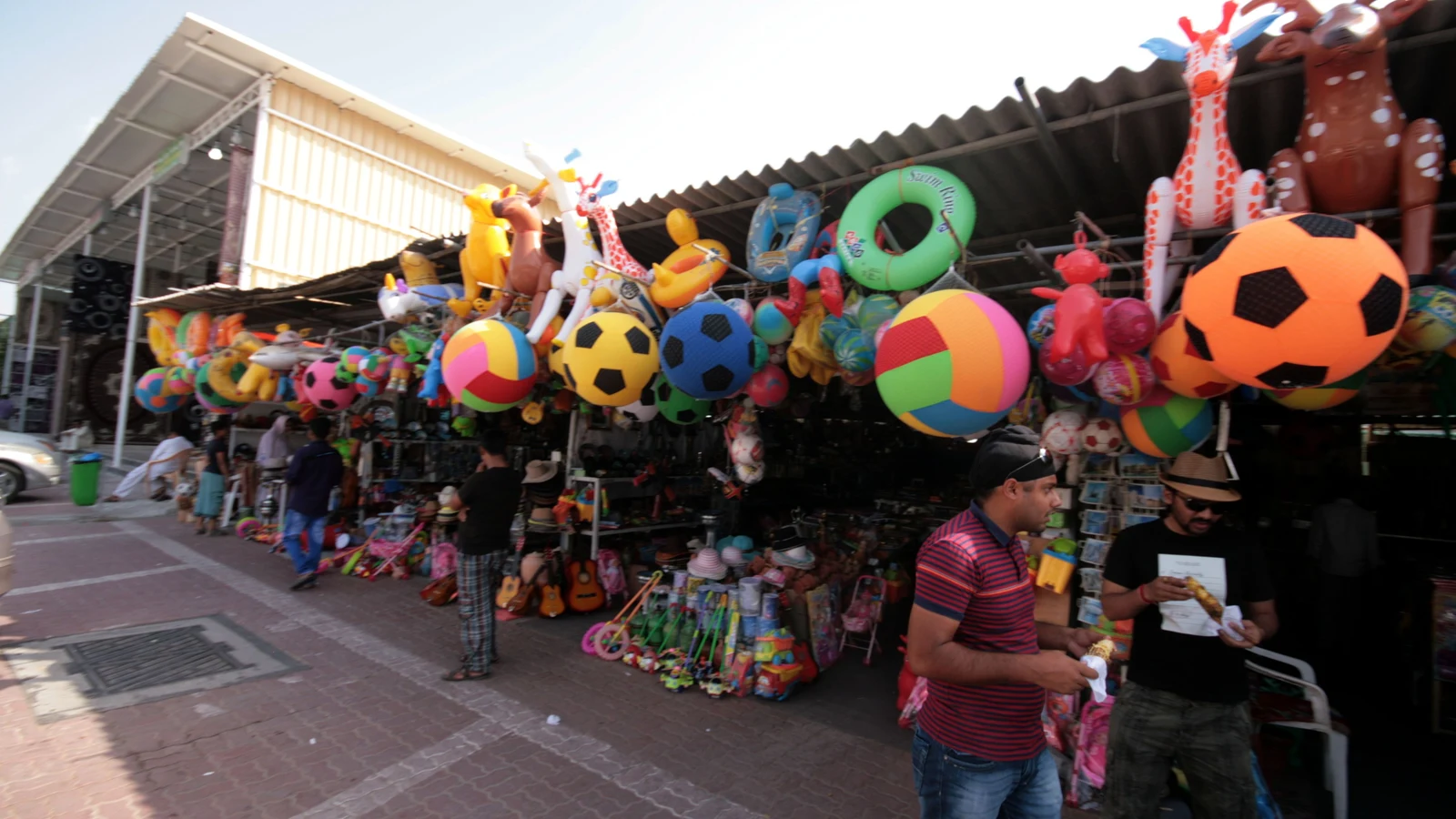
A traditional market can be a rewarding part of an east-coast journey, but the quality of the stop depends on decisions made before anyone starts bargaining. What are you hoping to find? How much room is available in the vehicle? Is the group browsing for pleasure or trying to buy one particular item? A vague plan can turn a short visit into a rushed purchase that is difficult to transport or difficult to justify afterwards.
Fujairah Tourism identifies Souq Al Juma, commonly called Friday Market, as a traditional market in Masafi. Its description includes carpets, fruit, antiques and souvenirs.[1] This guide, checked on 6 November 2026, focuses on making a considered visit. It does not certify the age, origin or quality of goods offered by individual traders, and its shopping exercises are editorial suggestions rather than government requirements.
Understand the destination and the name
The name does not mean the market trades only on Fridays. Both Fujairah Tourism and Discover Fujairah describe daily operation. Discover Fujairah locates it on the Masafi–Dhaid Road.[1][2] Use the actual destination and route when planning; a broad town name is not always a sufficiently precise meeting point.
Related reference: Fujairah Fort and Museum: Reading the East Coast Through Buildings, Objects and Landscape.
Do not infer the jurisdiction of every Masafi destination from one tourism listing. The National Cultural Map places Masafi Sports and Cultural Club in Ras Al Khaimah, while the Ministry of Culture identifies Masafi Cultural Centre in Fujairah.[3][4] This article follows the official Fujairah tourism listing for the market. If the journey involves another attraction, check that attraction's specific location rather than transferring the market's description to the whole surrounding area.
For a shared itinerary, send one agreed destination pin and a clear meeting instruction to the group. A driver, guide and passengers using different versions of “the market in Masafi” can lose time resolving an avoidable ambiguity.
Treat published hours as a starting point, not a promise
The official listings checked are inconsistent. Fujairah Tourism's descriptive text says 8am–10pm daily, while Discover Fujairah gives 7am–11pm. The Fujairah Tourism page also displays a separate time panel that differs from its prose.[1][2] These are reasons to confirm the intended arrival period, especially for a trip close to opening or closing.
Individual traders may also need to be contacted when a particular item is the purpose of the journey. A general destination listing does not establish that a specific stall will be staffed or that a product will be available. Ask the trader or an identified local operator for the actual arrangement rather than assuming that the broadest published time range applies to everything.
Related reference: Al Bidya Mosque: Visiting a Living Place of Worship with Historical Attention.
If confirmation is unavailable, build a flexible route. Make the market one possible stop rather than the sole reason for an expensive journey. An alternative activity should be chosen for its own suitability, not added automatically to make a long itinerary look full.
Decide what the stop is for
A visitor buying a carpet needs different preparation from someone taking a short break to browse produce and household goods. Before arrival, choose a primary purpose and a spending limit. The limit should describe what you are comfortable spending on the whole stop, including any delivery or additional service, rather than only the first quoted price.
| Purpose | Prepare before arrival | Check before paying |
|---|---|---|
| Carpet or textile | Dimensions, photographs of the intended space, transport plan | Material, condition, measurements and final price |
| Fruit or other perishables | Journey length and suitable storage | Condition, quantity, price basis and intended use |
| Plant or garden item | Available space and handling plan | Size, condition and whether it suits the intended setting |
| Souvenir | A realistic budget and luggage allowance | What the item is, how it is described and its condition |
| General browsing | Agreed meeting point and flexible departure | Whether a purchase serves a real purpose |
These are practical comparison questions. They do not imply that every listed product is stocked by every trader or that any particular description has been independently verified by CYUAE.
Compare the product before negotiating the number
Fujairah Tourism describes bargaining as normal at the market.[1] A useful negotiation begins with understanding what is being offered. Ask about material, dimensions, condition and any delivery or alteration being included. Two prices cannot be compared meaningfully if they refer to different items or different services.
Related reference: Dibba Al Fujairah: Planning an East-Coast Visit with Accurate Geography.
For a textile, examine the item you would actually receive rather than assuming that a displayed sample establishes every piece's condition. If colour matching matters, recognise that lighting and a phone screen can change perception. If exact measurements matter, verify them rather than relying on the apparent scale of a folded item.
Do not treat a claim such as “traditional”, “handmade” or “antique” as a complete description. Ask what the seller means and what evidence supports a material claim that affects the price. An attractive object can be purchased for its appearance without inventing a historical provenance for it.
A hypothetical carpet decision
Imagine a visitor has measured a room and set a total purchase budget. A carpet appears suitable, but the quoted price includes a delivery arrangement that has not been explained. The next step is to clarify the exact item, dimensions, final amount, delivery destination and timing before treating the offer as comparable with another trader's price.
If the information remains unclear, walking away preserves the option to make a better decision later. The existence of a discount does not establish suitability, and time already spent bargaining is not a reason to buy something that fails the original requirements.
Related reference: Al Hayl and Al Bithnah: A Fujairah Heritage Route Through Valleys, Water and Settlement.
Make bargaining clear and respectful
Ask for the final price politely and keep the product specification stable during the discussion. If the quantity or service changes, acknowledge that the comparison has changed too. Avoid creating confusion by simultaneously negotiating several different items without recording which price belongs to which offer.
A strong practical rule is to decide privately what makes the purchase worthwhile before negotiating publicly. Otherwise the interaction can become a contest in which winning a reduction matters more than obtaining something useful. The trader's willingness to lower a price does not tell you whether the item belongs in your home or luggage.
Before payment, repeat the agreed terms in plain language. Confirm the item, quantity, final amount and any delivery commitment. Retain a receipt or written record where available, especially for a purchase whose value or later delivery makes an accurate record important.
Plan handling, storage and the rest of the journey
A purchase is not complete merely because money has changed hands. It still has to reach its destination in usable condition. Consider vehicle space, protection from damage, handling assistance and whether another planned stop makes transport impractical.
Perishable goods deserve particular care. Match the purchase to the actual journey and suitable storage rather than leaving it in an unsuitable vehicle while completing a long sightseeing route. When in doubt about a product's condition or safe handling, ask an appropriate question or choose something that better fits the trip.
Large or delicate purchases can also change the group's transport needs. Discuss that possibility before buying, especially when travelling in a hired vehicle or with passengers whose space would be affected. A bargain that requires unplanned transport may be more expensive than it first appears.
Treat the market as a place of work
Visitors can enjoy looking without treating traders or other shoppers as scenery. Ask before making close photographs of people or their stalls. Avoid obstructing a working area for a photograph, and accept a refusal without argument.
For families, choose a meeting point and explain how the group will stay together while browsing. If interests differ, agree on a short independent period only where appropriate, with a clear return arrangement. The practical objective is a calm visit in which nobody has to rush a purchase because the rest of the group has disappeared.
Observe how goods are displayed, compared and discussed. That can provide a meaningful experience even without buying. A market visit does not need an unnecessary purchase to prove that it was worthwhile.
Questions travellers commonly ask
Is Friday Market open only on Friday?
No. The official tourism descriptions consulted identify daily operation.[1][2] Check the actual arrival period and any particular trader you need rather than relying on the name.
Which opening time should I rely on?
The official listings differ, so this guide does not choose one as a guaranteed current schedule. Obtain date-specific confirmation if arriving near the start or end of the trading day.
Does a tourism listing authenticate the products?
No. A destination description is not an appraisal of an individual item. Assess the product, the seller's specific claims and the agreed terms before paying.
What makes the stop successful if I buy nothing?
A clear understanding of the place, an enjoyable browse and a decision consistent with your needs are useful outcomes. The strongest purchase is one you would still choose after the excitement of bargaining has passed.
Official sources and editorial method
Sources checked on 6 November 2026. Numbered references support the official facts stated. Planning frameworks and hypothetical scenarios are CYUAE editorial analysis, not individual legal or tax advice. Photographs are contextual; image credits identify their source and licence. They do not document a particular application or case.